

How to Sell a Shared Ownership Property: A Step-by-Step Guide
Selling a shared ownership property doesn't have to be complicated. Here's exactly what to do, what it costs and what to expect at every stage.

Selling a shared ownership property works a little differently to a standard sale, mainly because your housing association is involved at several stages. The good news is that, once you understand the process, it’s very manageable.
This guide walks through each step, what it costs, and what to do if things don’t go entirely to plan.
What is Shared Ownership?
Shared ownership lets you buy a percentage of a property, usually between 25% and 75%, and pay rent on the remaining share to a housing association. If you’re new to the scheme, our shared ownership buying and selling guide is a good starting point before you get into the details of selling.
How Shared Ownership Works
You take out a mortgage for your share of the property and pay rent on the part you don’t own. Over time, many owners choose to buy further shares in a process known as staircasing.
What is Staircasing?
Staircasing is buying additional shares in your property over time, gradually increasing your ownership percentage and reducing the rent you pay. You can staircase in stages, up to and including full ownership in many cases.
Can You Sell a Shared Ownership Property at Any Time?
Yes, you can sell at any point, whether you own a small share or have staircased to 100%. The process differs slightly depending on how much of the property you own.
Selling Before You’ve Staircased
If you haven’t staircased to full ownership, your housing association usually has the right to find a buyer for your share first, during what’s known as the nomination period.
Selling Once You Own 100%
Once you own the property outright, you can usually sell on the open market like any other homeowner, without the housing association’s involvement.
What if You’re in Arrears on Rent or Service Charges?
Any arrears on rent or service charges typically need to be cleared before a sale can complete, as these are usually settled from the sale proceeds or beforehand. It’s worth speaking to your housing association early if this applies to you.
How to Sell a Shared Ownership Property: Step by Step
Here’s how the process usually unfolds, from checking your lease through to completion.
Step 1: Check Your Lease
What to Look for in Your Lease Before Selling
Your lease sets out the rules for selling, including how long the housing association has to find a buyer and any fees you may need to pay. It’s worth reading this carefully, or asking a solicitor to talk you through it, before you start the process.
Step 2: Contact Your Housing Association
What Happens During the Nomination Period
During the nomination period, your housing association has the right to try to find a buyer for your share, usually from their own list of applicants. If they can’t find one within the set time, you’re generally free to sell on the open market instead.
How Long is the Nomination Period?
This varies by housing association and lease, but it’s often around 8 weeks. Check your specific lease, as this can differ.
Step 3: Get a RICS Valuation
How to Find a RICS-Qualified Surveyor
Most housing associations require a valuation from a surveyor regulated by the Royal Institution of Chartered Surveyors. You can find one through the RICS website or ask your housing association for recommendations.
How Long is the Valuation Valid For?
A RICS valuation is typically valid for around three months, so timing your valuation with your expected sale timeline is worth considering.
What if You Disagree With the Valuation?
If you think the valuation is too low, you can usually commission a second opinion, though you may need to cover the cost yourself. It’s worth discussing any concerns with your housing association before doing so.
Step 4: Complete the Paperwork
What is a Management Information Pack and Who Pays for It?
A management information pack contains details about the lease, service charges and building for your solicitor and the buyer’s solicitor. It’s usually paid for by the seller, and costs can vary between housing associations.
Step 5: Market the Property and Find a Buyer
Who Can Buy a Shared Ownership Property?
If you’re still within the nomination period, buyers usually need to meet the housing association’s eligibility criteria. Once that period ends, you may be able to sell to any buyer, subject to your lease.
What if the Housing Association Can’t Find a Buyer?
If the nomination period ends without a buyer, you’re generally free to market the property yourself, including through an estate agent.
Selling on the Open Market After the Nomination Period
Selling on the open market can widen your pool of buyers considerably, though your lease may still set some conditions the buyer needs to meet. At this stage, the process of how to sell your house quickly is much the same as any other sale.
Step 6: Instruct a Solicitor
Why You Need a Solicitor With Shared Ownership Experience
Shared ownership sales involve extra legal steps compared to a standard sale, so a solicitor familiar with the process can help things run more smoothly and avoid delays. If some of the terminology is new to you, conveyancing terms explained is worth a read before you instruct one.
Step 7: Exchange and Completion
Once a buyer is found and the legal work is complete, exchange and completion typically follow the same pattern as a standard sale, with your solicitor coordinating the final steps.
What Does it Cost to Sell a Shared Ownership Property?
Selling shared ownership can involve a few more fees than a standard sale, so it’s worth budgeting for these in advance.
RICS Valuation Fee
This typically costs a few hundred pounds, depending on the surveyor and property size.
Housing Association Resale Fee
Many housing associations charge an administration fee for managing the resale process, which varies between providers.
Solicitor Fees (Yours and Theirs)
You’ll need your own solicitor, and there may be additional costs if the buyer’s solicitor has queries specific to the shared ownership lease.
Management Pack Fee
This is charged for producing the management information pack, and costs can vary quite a bit between housing associations.
EPC Costs
You’ll need a valid Energy Performance Certificate, as with any sale, if you don’t already have one in date.
Abortive Fees if You Pull Out
Some housing associations charge a fee if a sale falls through after certain work has already been done, so it’s worth checking this in advance.
Back-to-Back Staircasing: Staircase to 100% and Sell Simultaneously
What is Back-to-Back Staircasing?
Back-to-back staircasing means buying the remaining share of your property and selling it on the open market in one combined transaction, rather than as two separate steps.
How the Process Works
Your solicitor coordinates the staircasing purchase and the onward sale to complete on the same day, so you never technically own 100% for any length of time before selling.
Pros and Cons of Back-to-Back Staircasing
This can widen your buyer pool and potentially achieve a better price, but it adds legal complexity and may cost more in fees than a standard resale.
When Does it Make Financial Sense?
It can be worth considering if selling your part-share alone would significantly limit your buyer pool or affect your asking price, though a solicitor or financial adviser can help you weigh this up properly.
What Happens if Your Property Has Cladding or Building Safety Issues?
EWS1 Forms and Shared Ownership Sales
If your property is in a building with cladding, buyers’ lenders may require an EWS1 form confirming the external wall system has been assessed. This can add time to the sale process.
How Building Safety Issues Can Affect Your Sale
Building safety issues can make it harder to find buyers whose lenders will approve a mortgage, so it’s worth flagging this early with your housing association and solicitor.
Selling a Shared Ownership Property: What Else to Consider
Can You Transfer a Shared Ownership Property?
Transferring your share to another person, such as a family member, is possible in some circumstances, but usually requires the housing association’s consent.
Can You Sell One Shared Ownership Property and Buy Another?
Yes, this is common, and many housing associations have processes to support moving from one shared ownership property to another.
What Happens to Your Mortgage When You Sell?
Your mortgage will usually need to be repaid from the sale proceeds, in the same way as with any other property sale.
What to Do if You’re Unhappy With the Process
Making a Complaint to Your Housing Association
If you feel your housing association isn’t handling your sale reasonably, you can usually raise a formal complaint through their complaints procedure.
Escalating to the Housing Ombudsman
If your complaint isn’t resolved to your satisfaction, you may be able to escalate it to the Housing Ombudsman, who can independently review how your case has been handled.
Ready to Sell Your Shared Ownership Home?
Selling a shared ownership property involves a few extra steps, but with the right guidance, it doesn’t need to be stressful.
If you’re ready to move, sell your house quickly with Purplebricks, or book your free valuation to get started.
How to Sell a Shared Ownership Property: A Step-by-Step Guide
Here are the answers to some commonly asked questions about selling Shared Ownership properties.
It can take a bit more coordination than a standard sale, mainly due to the housing association’s involvement, but it’s a well-established process.
This isn’t a shared ownership-specific rule, but some mortgage lenders won’t lend on a property that’s been owned for less than six months. It’s worth checking with your solicitor if it affects your situation.
This is based on a RICS valuation of your share, reflecting current market value rather than what you originally paid.
Once you’ve staircased to full ownership, you own the property outright and can typically sell it like any other home, without the housing association’s involvement.
Yes, you can sell your existing share at any point, though the nomination period process will usually apply first.
If it’s your main home, private residence relief usually applies in the same way as any other property, though it’s worth checking your specific circumstances with an adviser.
You may need to cover any shortfall if your mortgage is worth more than the sale proceeds, so it’s worth understanding your numbers before marketing the property.
This may be possible, but usually requires the housing association’s involvement or consent, so check your lease and speak to them early on.
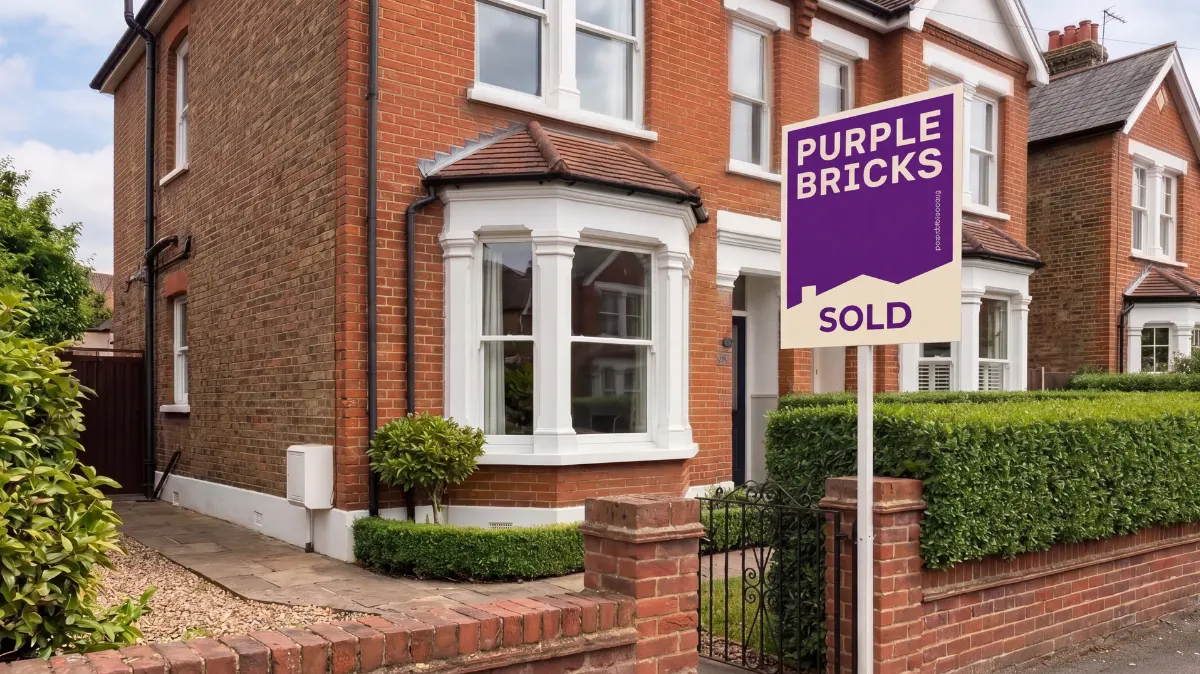
How to Sell and Buy a House at the Same Time
Selling and buying a house at the same time? Our UK guide walks you through the process, costs, chains and finance options — plus how to keep your move on track.
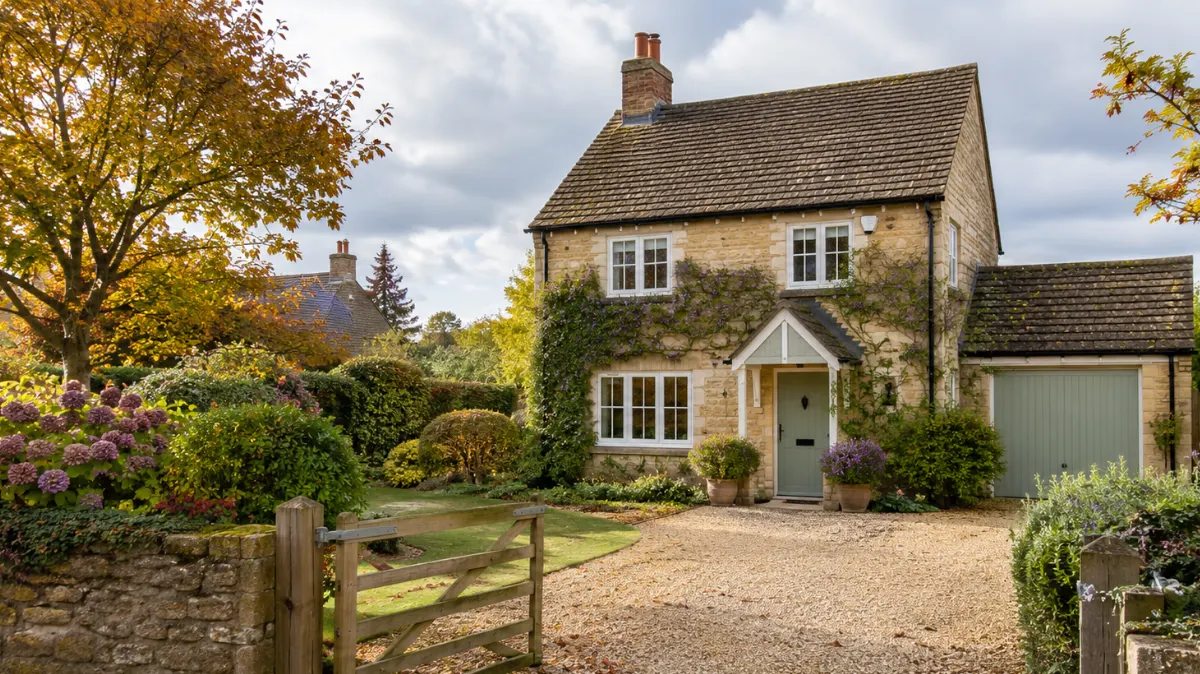
How to Increase the Value of Your Home: The Improvements That Add the Most
How to add value to your home before you sell — the improvements that add the most, cheap wins, what to avoid, and how much value they really add in the UK.

When Is the Best Time to Sell a House? A UK Guide for 2026
Wondering about the best time to sell a house in the UK? Discover the best and worst months, how the seasons compare, and how to time your sale in 2026.